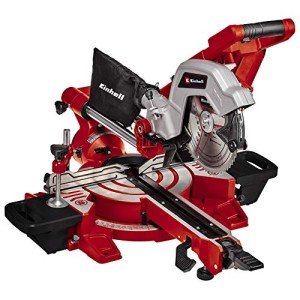
The Versatility and Precision of Table Miter Saws: A Comprehensive Guide
In the world of woodworking and building and construction, precision and efficiency are paramount. Amongst the tools that have transformed these markets, the table miter saw sticks out for its flexibility and accuracy. Whether you are a professional woodworker, a DIY lover, or a specialist, understanding the abilities and correct usage of a table miter saw can substantially enhance your jobs. This short article explores the performances, types, and best practices associated with table miter saws, supplying an extensive guide for users at all levels.
What is a Table Miter Saw?
A table miter saw is a customized power tool created to make precise crosscuts and miter cuts in wood and other materials. Unlike visit the next page saw, which is handheld, a table miter saw is mounted on a stationary table, supplying a stable base for precise cuts. The saw blade is installed on a pivoting arm that can be adapted to cut at various angles, typically ranging from 0 to 45 degrees, and often even 50 degrees. This function makes it perfect for jobs such as creating photo frames, crown molding, and intricate joinery.
Kinds Of Table Miter Saws
Requirement Miter Saw
- Performance: Cuts at a repaired 90-degree angle or at adjustable miter angles.
- Best For: Basic crosscuts and miter cuts.
- Common Uses: Picture frames, easy kitchen cabinetry, and basic woodworking.
Compound Miter Saw
- Performance: In addition to miter cuts, it can also make bevel cuts by tilting the blade head.
- Best For: More intricate cuts, including compound angles.
- Common Uses: Crown molding, rafters, and in-depth joinery.
Dual Compound Miter Saw
- Functionality: Can make both left and ideal bevel cuts, offering more flexibility.
- Best For: Projects requiring cuts from multiple angles.
- Common Uses: Complex crown molding, furniture making, and architectural detailing.
Sliding Compound Miter Saw
- Functionality: Features a sliding system that permits the blade to move back and forth, enabling longer cuts.
- Best For: Cutting wider boards and longer pieces of material.
- Common Uses: Large panels, doors, and window frames.
Secret Features of Table Miter Saws
- Miter Gauge: A scale that enables users to set the angle of the cut.
- Bevel Adjustment: The ability to tilt the blade head for bevel cuts.
- Laser Guide: Helps in lining up the cut for increased accuracy.
- Dust Collection System: Reduces mess and improves workshop cleanliness.
- Blade Size: Common sizes include 8 inches, 10 inches, and 12 inches, each appropriate for different cut depths and material thicknesses.
- Fence: Provides a stable surface for the workpiece to rest against, ensuring straight and accurate cuts.
- Security Features: Includes a blade guard, electric brake, and anti-recoil mechanism to safeguard the user.
How to Use a Table Miter Saw
Set Up the Saw
- Place the saw on a steady, flat surface.
- Ensure the blade is sharp and appropriately installed.
- Examine that all security features are in location and working.
Adjust the Miter Angle
- Use the miter gauge to set the wanted angle.
- Lock the gauge in place to avoid movement during the cut.
Change the Bevel Angle (if suitable)
- Tilt the blade head to the needed bevel angle.
- Lock the bevel modification to keep consistency.
Secure the Workpiece
- Place the product against the fence.
- Use secures or a miter saw stand to hold the workpiece in place.
Make it
- Turn on the saw and allow the blade to reach full speed.
- Push the blade down through the product in a smooth, regulated movement.
- Launch the blade and allow it to come to a total stop before raising it.
Preserve the Saw
- Frequently tidy the saw and its elements.
- Examine and change the blade and other parts as needed.
- Shop the saw in a dry, tidy environment to avoid rust and damage.
Tips for Maximizing Performance
- Use the Right Blade: Choose a blade suitable for the material and the kind of cut you are making. For instance, a blade with more teeth is better for smoother cuts.
- Step Twice, Cut Once: Always verify your measurements before making a cut to prevent mistakes.
- Use a Stabilizer: For longer cuts, utilize a sawhorse or a stabilizer to make sure the material does not move.
- Use Safety Gear: Protect yourself by wearing security glasses, hearing security, and a dust mask.
Typical FAQs
Q: What is the difference between a miter cut and a bevel cut?
- A: A miter cut is made at an angle across the width of the material, while a bevel cut is made at an angle through the density of the product. A compound cut combines both miter and bevel angles.
Q: Can a table miter saw cut metal?
- A: While some table miter saws can cut through thin metal with the ideal blade, they are mostly developed for wood. For cutting metal, a metal-cutting saw or a chop saw with an abrasive wheel is recommended.
Q: How frequently should I sharpen the blade?
- A: The frequency of blade honing depends upon the amount and type of cutting. Generally, a blade should be sharpened every 100 to 200 cuts. However, if you discover the blade is not cutting as smoothly or if it is producing more sawdust, it may be time for a honing or replacement.
Q: Are there any security preventative measures I should take?
- A: Yes, always wear safety gear, keep your hands far from the blade, and make sure the product is safely secured. Utilize the blade guard and other safety features, and prevent making cuts while the saw is not at full speed.
Q: How do I maintain the accuracy of my cuts?
- A: Regularly check and adjust the miter gauge and bevel change. Ensure the fence is straight and the blade is sharp. Utilizing a laser guide can also help in keeping precision.
A table miter saw is an effective and flexible tool that can significantly boost the quality and performance of woodworking and building jobs. By understanding its types, features, and correct usage, users can attain exact and professional outcomes. Whether you are an experienced expert or a DIY lover, buying a high-quality table miter saw and following best practices can make a world of difference in your work.
Extra Resources
- Producer Manuals: Always refer to the user handbook for specific directions and security standards.
- Online Tutorials: Many woodworking and DIY sites offer step-by-step tutorials and videos on using table miter saws.
- Workshops and Classes: Consider going to a local woodworking class or workshop to gain hands-on experience and professional assistance.
By mastering making use of a table miter saw, you can take your woodworking projects to the next level, guaranteeing that every cut is precise and every piece fits completely.